The Museum Gaze is a newsletter about playing with new ways of paying attention.
Join a Museum Studies PhD candidate in exploring how looking at ordinary life with the same embodied gaze we use with art in a museum can open us up to wonder, wholehearted living, and empowerment.


The idea—to look at life like art—was born out of a need to nourish myself in the midst of a challenging season.
When museums closed at the beginning of the pandemic, I became curious about what it would mean to look at my daily life with the same attention I used when looking at an artwork. As a Museum Studies scholar, I've spent a lot of time learning about the benefits of encountering art, and I wondered if that experience could be translated to ordinary life.
Playing with new ways of paying attention is a powerful (and fun) practice, and it can lead us on the path home to ourselves.

When you subscribe to The Museum Gaze, you’ll receive:
Emails about looking at life like a work of art, playing with new ways of paying attention, and reconnecting with wonder
Seasonal series that explore different themes, including:
What we can learn about navigating periods of wilderness from artists who engage with difficult experiences through their art
How parents of little kids can nourish themselves by looking at their lives like art
How people describe Marina’s writing
“Engaging, full, and juicy”
“Insightful, hopeful, clear-eyed, empowering”
“Full of surprises. Luscious.”
“Like a warm hug”

About Marina
Marina Gross-Hoy, PhD, (she/her) is a writer, speaker, facilitator, and Museum Studies scholar. Her work invites people to cultivate new relationships with the experience of being alive.
Marina writes about playing with new ways of paying attention to lived experience. Her newsletter, The Museum Gaze, explores how observing ordinary life with the same careful attention used in museums can foster wonder, compassion, and agency. She is the founder of the Laboratoire d’attentions, a research-creation initiative focused on designing artistic interventions informed by embodied attention, contemplative practices, sensory interpretation, and trauma-informed approaches. She has received support from the Canada Council for the Arts, the Gail and Stephen A. Jarislowsky Institute for Studies in Canadian Art at Concordia University, and the Collegeville Institute.
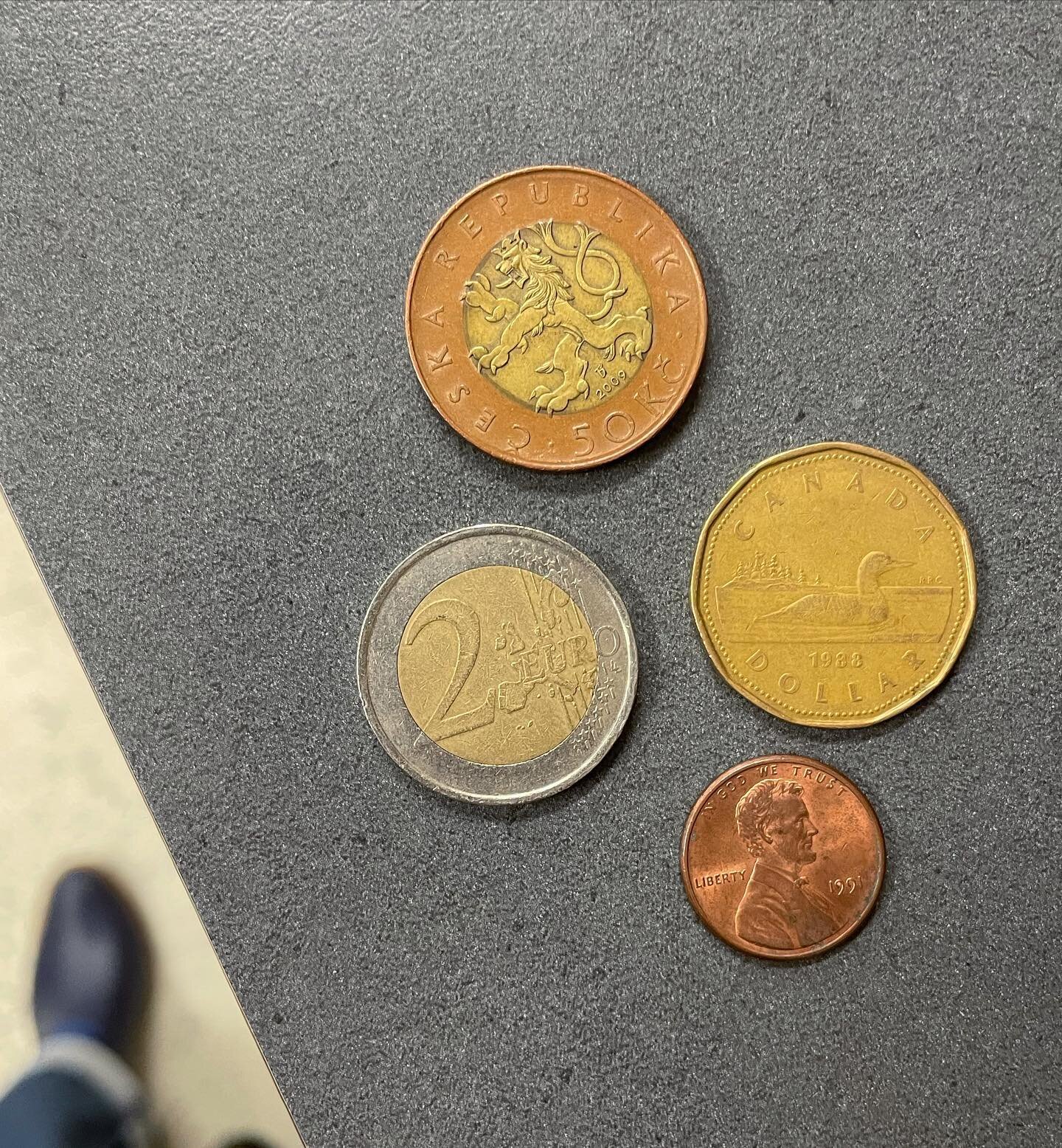
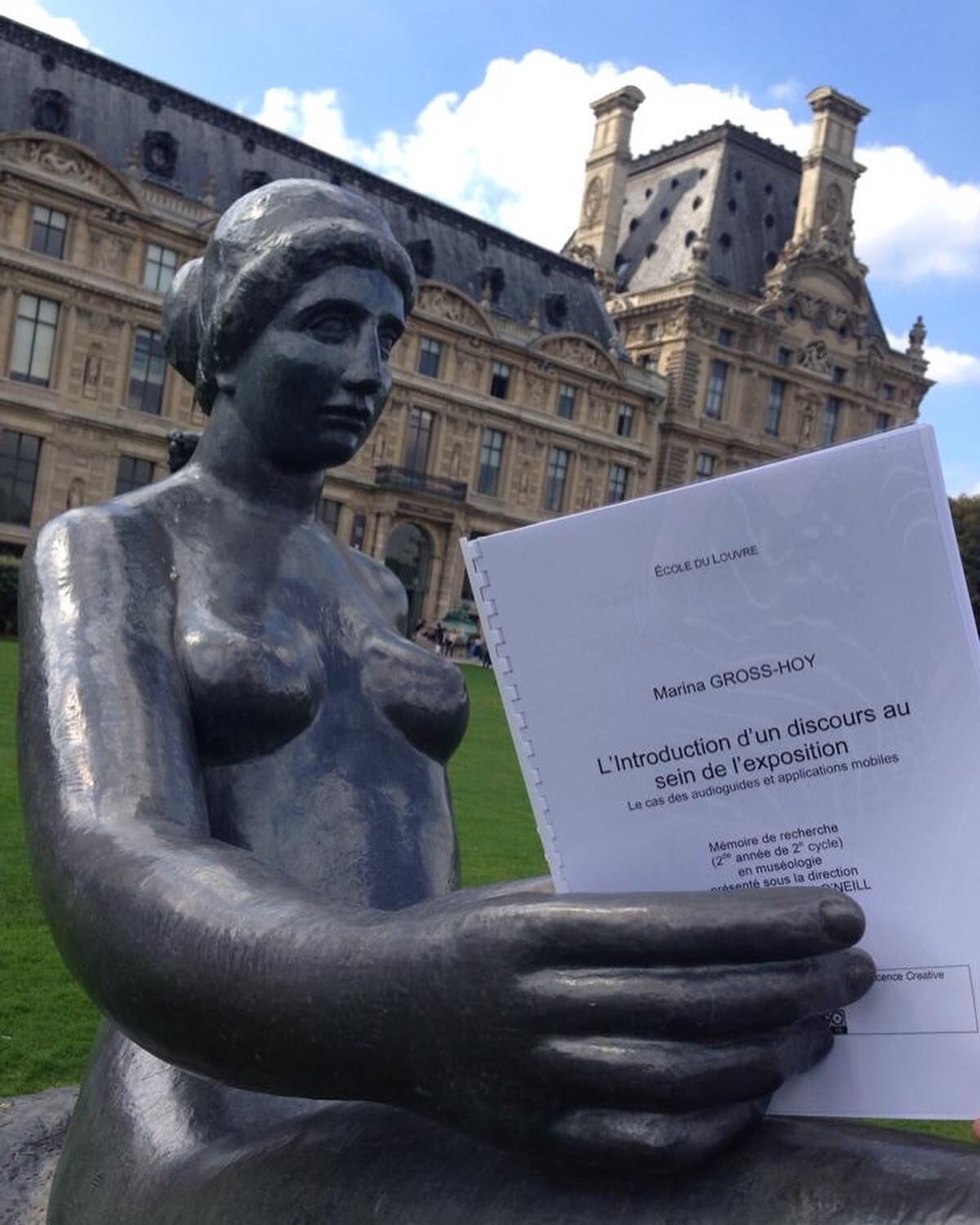
Originally from Michigan, Marina moved to museum-saturated Paris to complete a master's in muséologie at the École du Louvre and work on the education team at the Agence France-Muséums. Québec became her adopted home when she came to pursue a PhD in Museum Studies at the Université du Québec à Montréal (UQAM). She is an associate member of the Group for Research on Education and Museums (GREM) at UQAM and has served on the board of the Committee for Education and Cultural Action within the International Council of Museums (ICOM).

Sign up here to get inspiration for seeing the art in your daily life: